
Back to Courses


Governance And Society Courses
Showing results 1-10 of 270
Dealing With Missing Data
This course will cover the steps used in weighting sample surveys, including methods for adjusting for nonresponse and using data external to the survey for calibration. Among the techniques discussed are adjustments using estimated response propensities, poststratification, raking, and general regression estimation. Alternative techniques for imputing values for missing items will be discussed. For both weighting and imputation, the capabilities of different statistical software packages will be covered, including R®, Stata®, and SAS®.
The Changing Global Order
How are international power relations changing and how can global peace and stability be maintained? This course familiarizes you with some main theories of international relations, shows how the global order is gradually changing and discusses how selected international and regional organizations contribute to the maintenance of global peace and security. You learn what research findings tell us in terms of the capacity of international organizations and actors to help prevent or stop violent conflict, what tools are used to negotiate agreements and how foundations for sustainable peace are best created. We will also focus on the role of the European Union in terms of diplomacy and efforts to prevent conflict, the North Atlantic Treaty Organization and the contribution of organizations such as the African Union to the prevention of conflict and war. We will study the United Nations Security Council and see in which ways its membership could be adapted to more accurately reflect the power relations of the current global order. Through quizzes and exercises testing your knowledge of these subjects, you will understand crucial concepts and get insights into how the academic study of international relations and international organization contributes to the search for global stability and peace in practice.
Fighting COVID-19 with Epidemiology: A Johns Hopkins Teach-Out
Notice: This course, created in response to the quickly-shifting news in the early days of the pandemic in 2020, is now out of date. As a result, we will be closing the course permanently on 18 April 2023.
This free Teach-Out is for anyone who has been curious about how we identify and measure outbreaks like the COVID-19 epidemic and wants to understand the epidemiology of these infections.
The COVID-19 epidemic has made many people want to understand the science behind pressing questions like: "How many people have been infected?" "How do we measure who is infected?" "How infectious is the virus?" "What can we do?" Epidemiology has the tools to tell us how to collect and analyze the right data to answer these questions.
In addition to a basic understanding of these essential tools, this Teach-Out provides a way for you to learn and connect with one another while continuing to practice the social distancing measures that will help keep us safe. We also hope to provide you with some tangible calls to action that will help you affect positive change for yourself, your community, and our society.
From Climate Science to Action
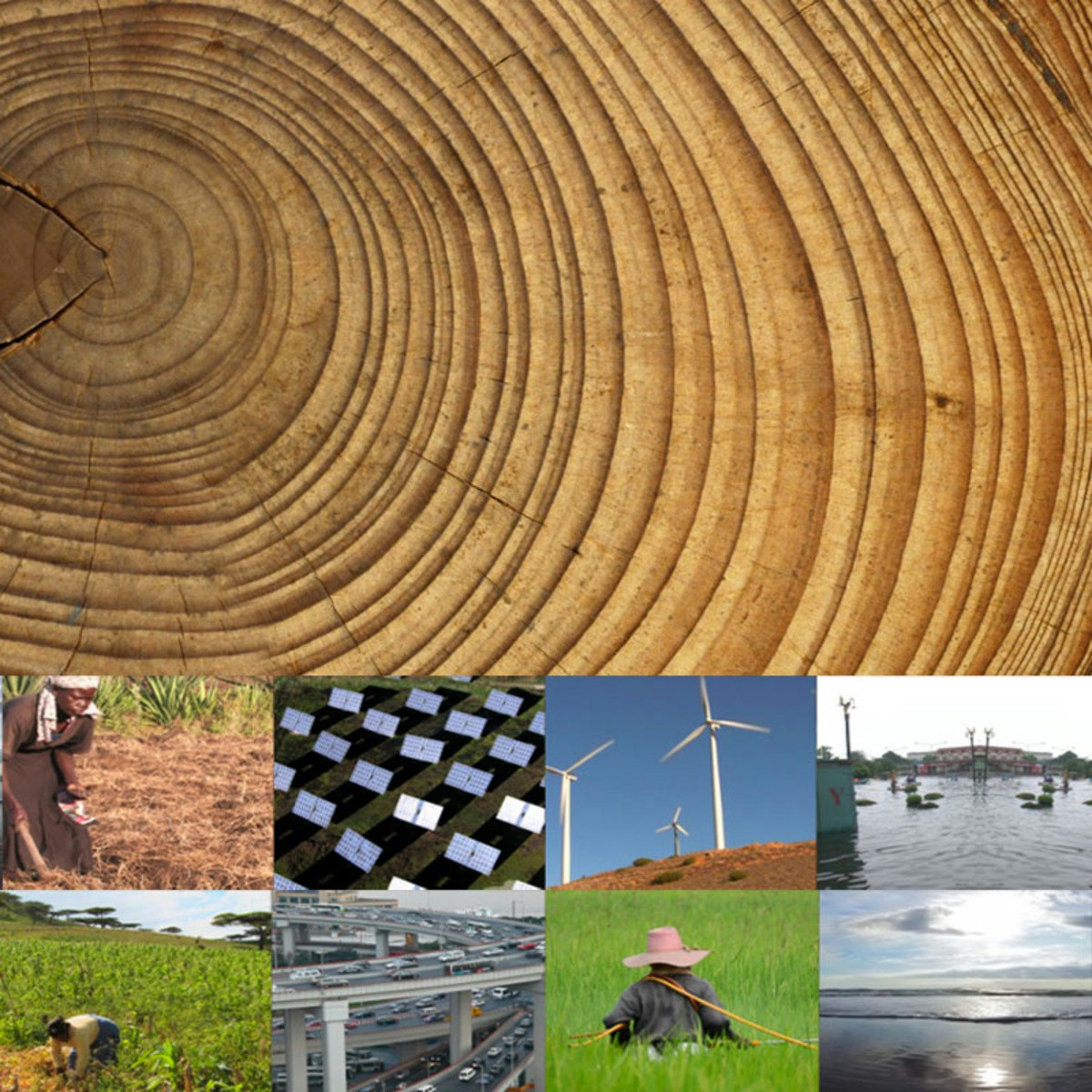
Each part of the world faces specific vulnerabilities to climate change and has different opportunities to mitigate the effects and build resilience in the 21st century. With the ratification of the Paris Agreement, many countries have acceded to act in combatting climate change. Indeed, without climate action, decades of sustainable development is at risk, thus making this a ‘make or break’ point in time. Showcasing the most recent scientific evidence, explaining the different regional impacts and divulging climate action strategies, along with interactive tools such as a Carbon Footprint Tracker and (I) NDC Platform, this MOOC provides some opportunities, where you can take action on climate change.
About the Course
This action-oriented MOOC gives you the opportunity to learn about regional climate change impacts and sector-specific strategies to increase resilience and move towards a low-carbon future. You will have the opportunity to explore these issues in depth and tailor your learning experience for one or more of the following regions:
• Latin America and Caribbean
• Sub-Saharan Africa
• Middle East and North Africa
• Eastern Europe and Central Asia
• East Asia and Pacific
• South Asia
In this endeavor, the MOOC brings together renowned scientists and policymakers to provide a synthesis of the most recent scientific evidence on climate change, regional low emissions and climate resilient development strategies across sectors. A team of expert Instructors will lead discussions around the Paris Agreement, reflections from COP22 and the progress on Nationally Determined Contributions (NDCs).
Course Syllabus
Overview
‘From Climate Science to Action’ is divided into four weeks. The first two weeks will provide a comprehensive overview of the scientific evidence for climate change, followed by region-specific insights on the impacts of a warmer world in the 21st century. The last two weeks will focus on action strategies that are being undertaken in different regions and countries to meet the climate challenge, and how you as an individual can take action to avoid a warmer world!
Week 1: Climate Change in the 21st Century
• Historical and projected observed changes in the climate system, leading up to the end of the 21st century
• The potential of Intended Nationally Determined Contributions (INDCs) submitted at COP 21 from 187 countries to induce climate action
• Trends in climate change impacts, including loss of Arctic sea ice, melting glaciers, increased heat waves and extreme temperatures, and drought and aridity
• Possible responses from natural systems, explaining how warming could result in sea-level rise, heat waves and extreme temperatures, and ocean acidification
Week 2: Sectoral and Regional Impacts
• Impacts on key development sectors—from warming above pre-industrial temperatures and projected climate trends—across each of the world’s regions
• Sectoral impacts focusing on agricultural production, water resources, ecosystem services, and coastal vulnerability for affected populations
• Importance of risks with the potential to reverse hard-won development gains and potentially trap millions in poverty, illustrating the need for urgent action now
Week 3: From Science to Action on Climate Change
• Region-specific discussions on mitigation actions needed to reduce emissions while decreasing vulnerability to climate change impacts through adaptation and by building climate resilience
• Perspectives from regional experts on their experiences in strategies and actions proposed in each region to help transition towards a low-emissions, climate-resilient development path
• Discussions on the progress of the Nationally Determined Contributions (NDCs), outcomes of the Paris Agreement and reflections from the Conference of Parties (COP)22
Week 4: What You Can Do
• Transformative impact of day-to-day changes when brought to a global scale
• The rationale for acting now, acting together and acting differently
• Examples and expected benefits of mitigation and adaptation policies, considering both contributions to global emission reductions and local development opportunities
In addition to the core resources and assignments, you may choose to go further, engaging in fun optional exercises, networking, discussion, and diving deeper into our rich selection of supplemental resources. You will have the opportunity to explore these issues in depth and tailor your learning experience for one or more of the following regions:
• Latin America and Caribbean
• Sub-Saharan Africa
• Middle East and North Africa
• Eastern Europe and Central Asia
• East Asia and Pacific
• South Asia
Course Format
This MOOC has a week-by-week structure, with resources, activities and exercises for you to engage in during each of the four weeks of the course. Each week, you will find a variety of course material, including:
• Interactive video talks by renowned climate scientists and practitioners
• Interactive tools: the Carbon Footprint Tracker, (I) NDC platform
• Resources: Core, optional (deep dive) and fun interactives on the week’s theme
• Quizzes that check your knowledge, reinforce the lesson’s material and provide immediate feedback
• Assignments that will sharpen your skills of analysis, reflection and communication
• Discussion forums and social media that enable collaboration with others from around the world, enriching interaction among participants
• As a final project, you will create a digital artifact
You can also go much further than this, engaging in optional exercises, networking, or discussion forums and dive deeper into our rich selection of additional resources. We also will use e-discussions, and other tools to facilitate dialogue between the learners and experts.
Recommended Background: No background knowledge is necessary. The content of this course is designed to be accessible to students from any discipline.
Connect: Communicate and share resources via Twitter using hashtag #learnclimate. Sign up for a free account at http://twitter.com
Municipal Solid Waste Management in Developing Countries
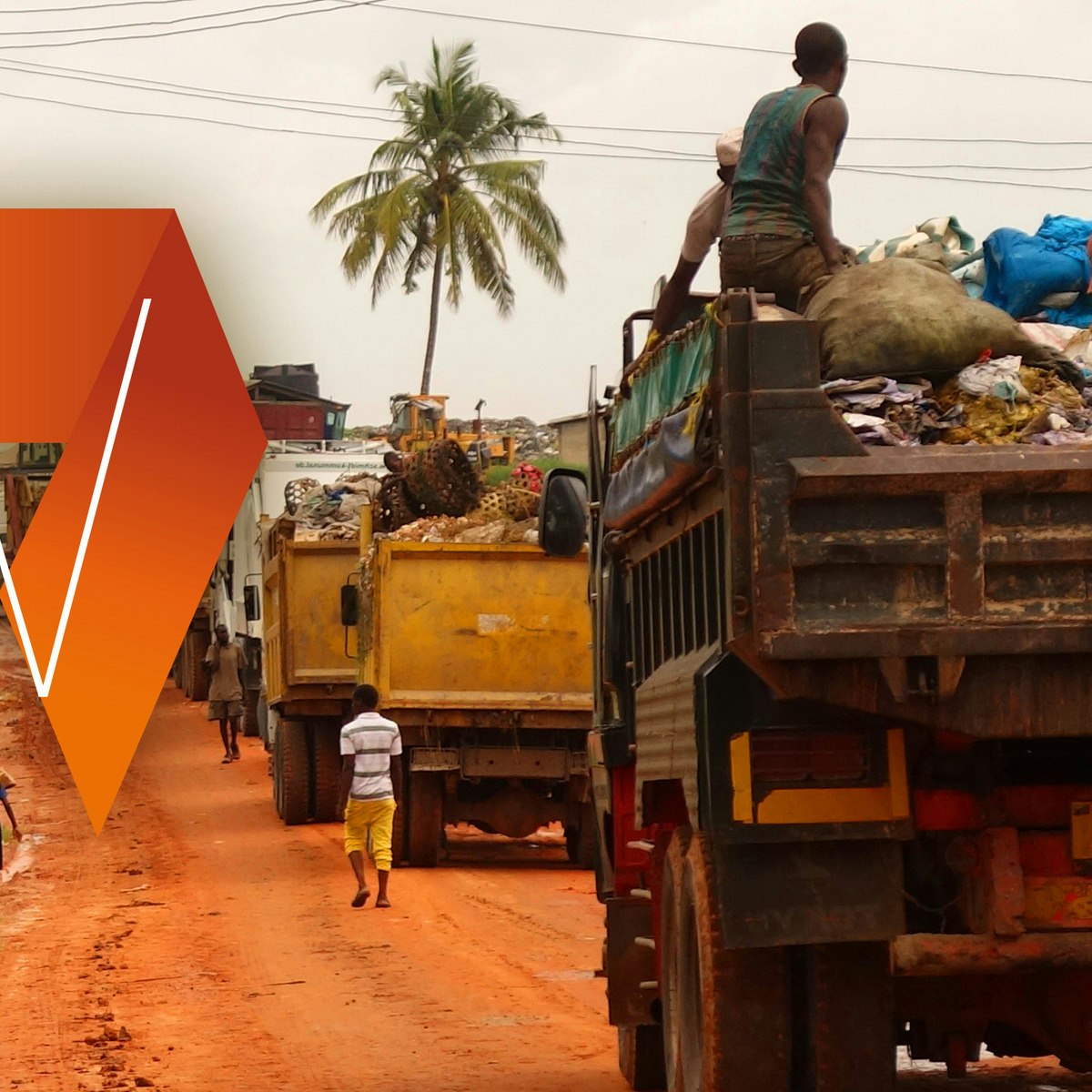
Have you come across large piles of garbage in neighbourhoods and streets and smelly waste disposal sites polluting the environment of low- and middle-income countries? Do you want to know what kind of sustainable solutions are appropriate to better manage waste and enhance recycling and recovery? If yes, this course is for you!
This course provides you with an overview of the municipal solid waste management situation in low- and middle-income countries. It covers key elements of the waste management system, such as its technical, environmental, social, financial and institutional aspects. Besides understanding the challenges, you will be introduced to appropriate and already applied solutions through selected case studies.
Greening the Economy: Sustainable Cities
How can we shape our urban development towards sustainable and prosperous futures?
This course explores sustainable cities as engines for greening the economy in Europe and around the world. We place cities in the context of sustainable urban transformation and climate change. We connect the key trends of urbanization, decarbonisation and sustainability. We examine how visions, experiments and innovations can transform urban areas. And we look at practices (what is happening in cities at present) and opportunities (what are the possibilities for cities going forwards into the future).
This course was launched in January 2016, and it was updated in September 2021 with new podcasts, films and publications. The course is produced by Lund University in cooperation with WWF and ICLEI – Local Governments for Sustainability who work with creating sustainable cities. The course features researchers, practitioners and entrepreneurs from a range organisations.
Professionalism in an era of change
In this course we aim to provide you with an insight into how recent societal and technological developments have changed the work of professionals in a variety of professional domains and how this in turn affects professionalism. The course highlights core themes, discusses main insights and theories, raises questions and presents cases, and links insights to practical challenges in various professional domains. It provides a state of the art assessment of professionalism in transition, by looking back and looking forward. It supports target audiences in dealing with professional services and professionals.
The programme has an interdisciplinary approach and will focus on different levels:
At macro level the course presents a historical and sociological view on past and future changes in professions, focused on:
• how do professional fields develop?
• how is professionalism promoted and encouraged among professionals?
• how do professional fields control and empower their members?
At meso level the course presents an organisational view on changes within professional partnerships and institutions, focused on the following questions:
• how do norms and routines affect professionals and professional work?
• how do professionals organise and lead professional work?
At micro level a psychological perspective on changing work and a changing work environment of professionals is presented. This part focuses on the following questions:
• how do professionals deal with work pressure and remain motivated?
• which competencies do professionals require to be able and capable to deliver?
We invite you to join us and increase your understanding of the topics addressed in this course through lectures, interviews, animations, readings and peer interaction.
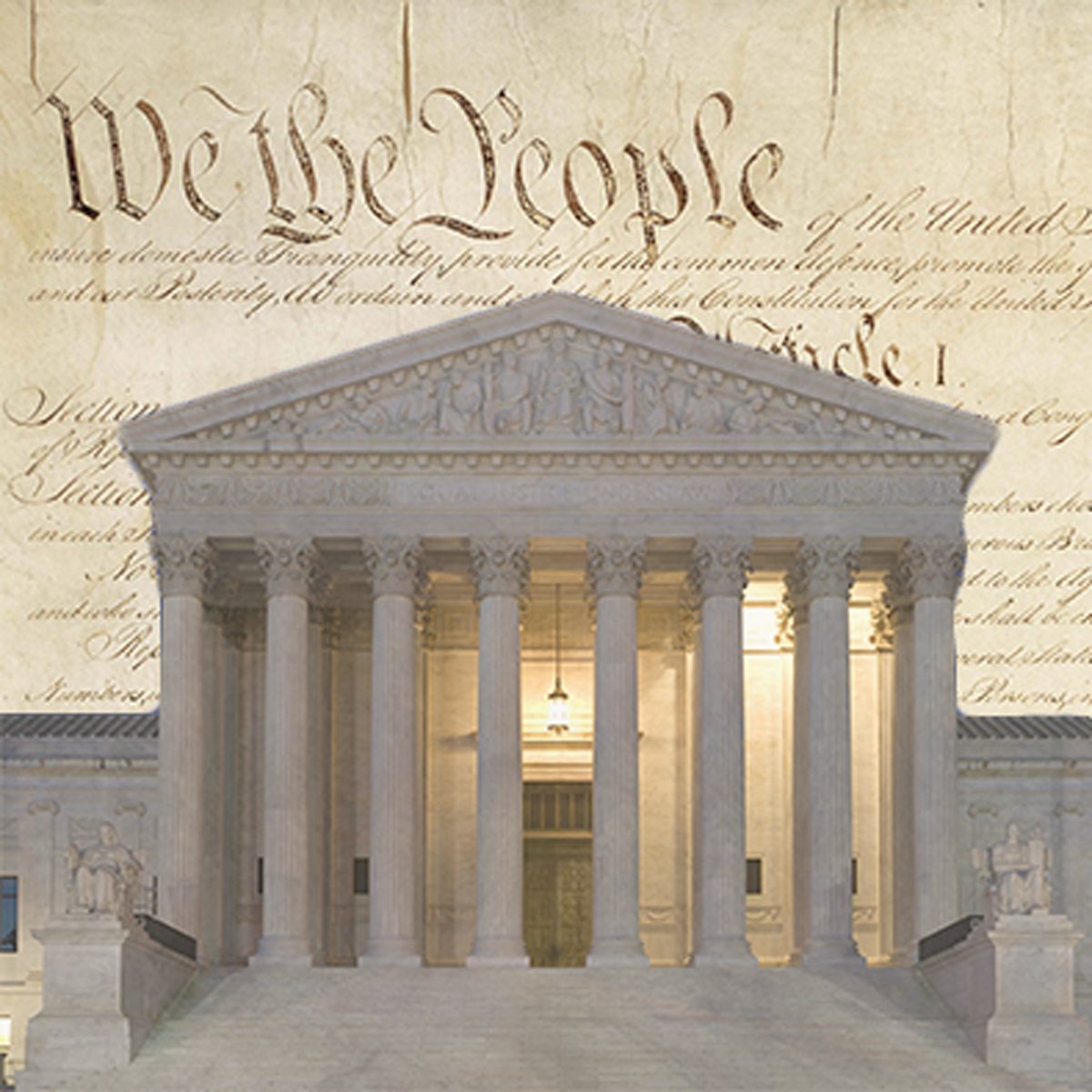
Chemerinsky on Constitutional Law - The Structure of Government
This course will highlight the construction and interpretation of the U.S. Constitution through the centuries. You'll learn the history behind the Constitution, cases that formed important precedent, and how changes in interpretation have been dependent on shifts in cultural and political climate as well as the composition of the Supreme Court.
We'll start with an overview of the Constitution where we'll consider questions such as "Why the Constitution?" and "What function does the Constitution serve?" Next we'll examine how the Constitution and its subsequent interpretation established the powers of the federal, legislative, and judicial branches of government and allocated powers to the states.
Join me as we look at the questions both raised and answered by the Constitution and those that interpret it!
By the end of this course, you should be able to:
- Describe how the structure of the United States government has been shaped by both the text of the Constitution and by subsequent interpretation and practice of political actors in all branches of government
- Illustrate compromises found in the Constitution by citing examples and historic background
- Articulate the importance of key cases such as Marbury v. Madison, McCullough v. Maryland, and Lochner v. New York
- Explain how the outcome of cases is often dependent upon the current cultural and political climate as well as the composition of the court by citing particular cases and important shifts in the court's jurisprudence
- Assess the relative suitability of various approaches to constitutional interpretation and analysis
Nuts and Bolts of U.S. Immigration Law
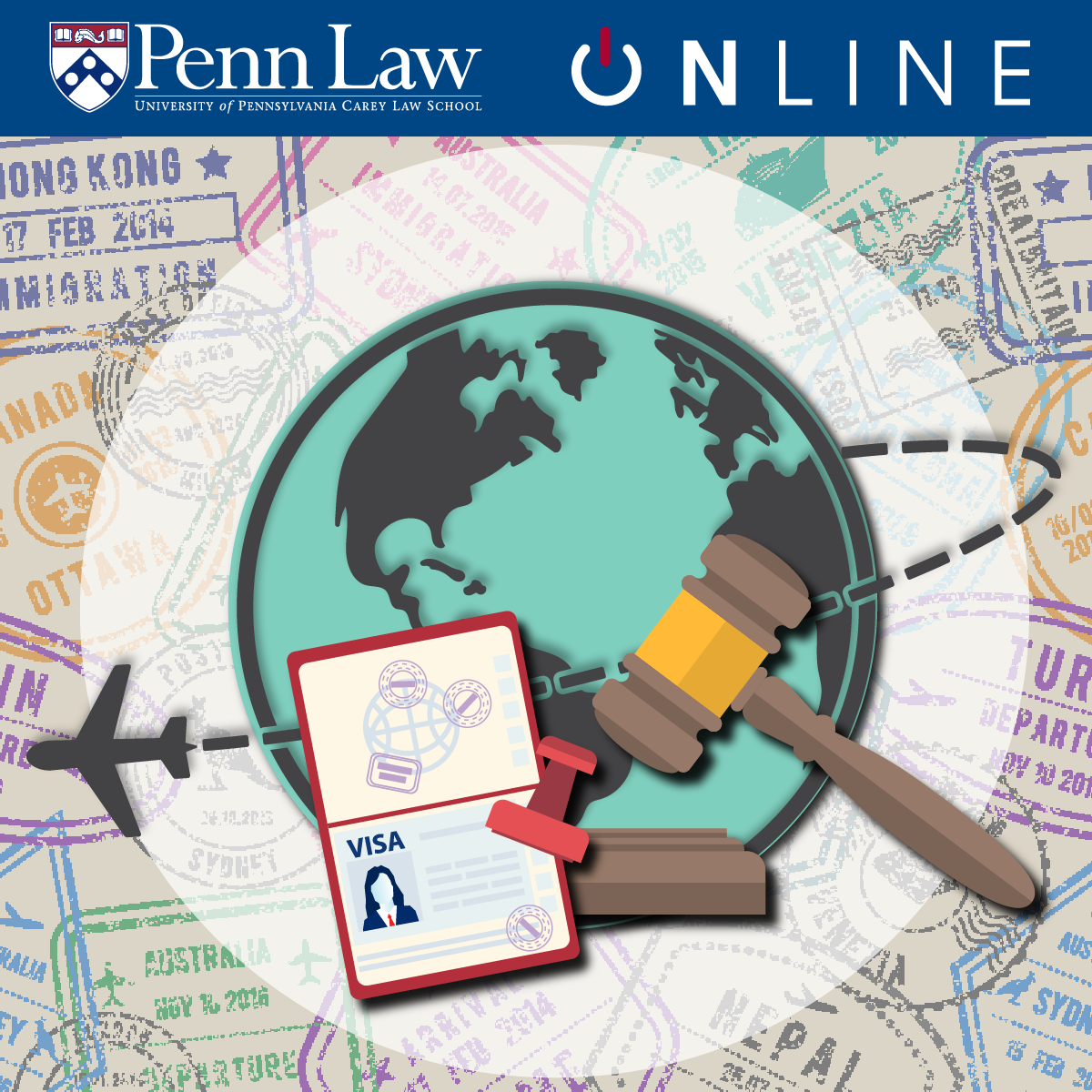
This course begins by exploring short term entry and long term entry into the United States. We will cover the various means of short term entry and long term entry, as well as the general application processes. We will also examine exclusion and deportation in the United States. In particular, we will discuss how and why individuals may not be admitted into the United States and possible reasons for deportation or removal. Lastly, we will cover the process of how to become a United States citizen and the various requirements for naturalization.
Training and Learning Programs for Volunteer Community Health Workers
Volunteer community health workers (CHWs) are a major strategy for increasing access to and coverage of basic health interventions. Our village health worker training course reviews the process of training and continuing education of CHWs as an important component of involving communities in their own health service delivery. Participants will be guided through the steps of planning training and continuing education activities for village volunteers. The course draws on real-life examples from community-directed onchocerciasis control, village health worker programs, community case management efforts, peer educators programs and patent medicine vendor training programs, to name a few.
Your dream job is just a tap away — only on the BoostGrad app.

View on Boostgrad App
View on Browser
Continue
Popular Internships and Jobs by Categories
Browse



© 2025 BoostGrad | All rights reserved